

Why Retrofitting is Crucial for Sustainable Construction
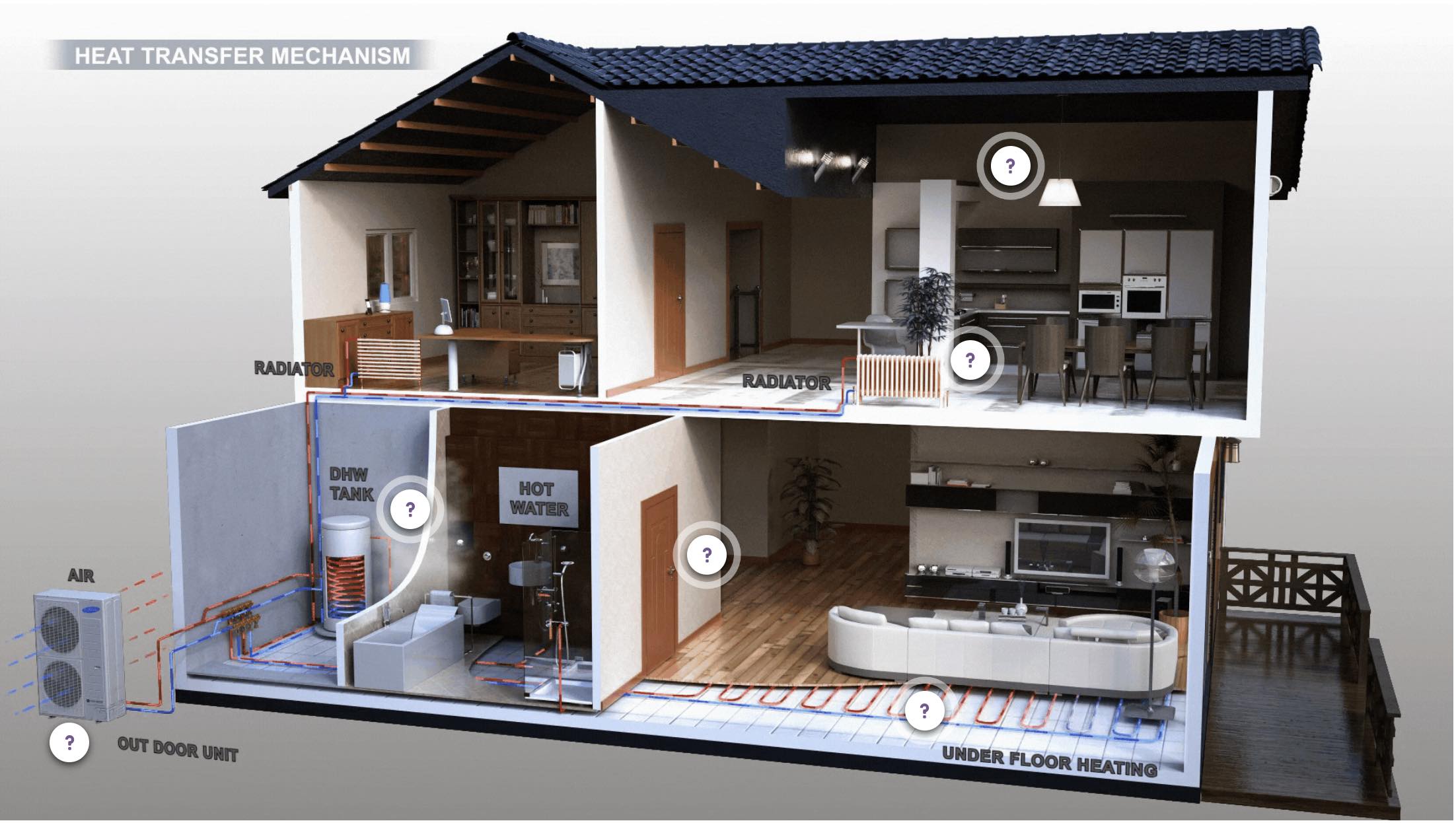
Retrofitting is a vital part of the UK’s strategy to reduce carbon emissions and improve energy efficiency in older buildings. Many buildings constructed decades ago were not designed with sustainability in mind, leading to high energy consumption and environmental impact. Retrofitting involves upgrading these structures by improving insulation, installing energy-efficient systems, and integrating renewable energy technologies such as solar panels or heat pumps. This process not only reduces energy consumption but also lowers costs and enhances the overall performance and comfort of buildings. As the UK aims for net-zero emissions by 2050, retrofitting is increasingly becoming a top priority in both the public and private sectors.
Why Students Should Learn About Retrofitting
For students entering the construction, engineering, or environmental fields, learning about retrofitting offers a direct pathway into a growing market. Retrofitting skills are in high demand as governments and businesses focus on sustainable development. By gaining knowledge in retrofitting, students position themselves as valuable assets in addressing the pressing need for energy efficiency improvements. This not only contributes to reducing the carbon footprint but also opens doors to various career opportunities in the green economy. With industries increasingly adopting sustainable practices, having retrofitting expertise will help students stay ahead in a competitive job market.
Key Objectives of Learning Retrofitting
- Energy Efficiency: Understanding how to assess and upgrade buildings to reduce energy waste through insulation, heating, and ventilation improvements.
- Sustainability Practices: Learning about sustainable construction methods and the integration of renewable energy systems like solar panels and heat pumps.
- Regulatory Compliance: Gaining insights into the UK’s building regulations and environmental standards to ensure that retrofitting projects comply with the latest laws.
- Cost Savings: Recognising how retrofitting not only reduces energy consumption but also lowers operating costs, making it a cost-effective solution for building owners and businesses.
Why Retrofitting is Important for the UK’s Green Agenda
The UK’s commitment to achieving net-zero carbon emissions by 2050 has put retrofitting at the forefront of its green agenda. With an estimated 80% of the buildings that will be standing in 2050 already built, improving the energy efficiency of these structures is essential. Retrofitting provides a practical solution by upgrading old, energy-inefficient buildings, reducing greenhouse gas emissions, and contributing to the UK’s climate goals. It also helps to reduce fuel poverty by lowering energy bills for households and businesses, making it a win-win for both the environment and society.
How Green Skills Courses Can Help
Green Skills Solutions offers an “Introduction to Retrofitting” course that equips learners with vital skills in sustainable construction and energy efficiency. As part of our green skills curriculum, most of our courses are City & Guilds certified, ensuring a recognised qualification for professionals and students alike. Additionally, funding options such as LSIF (Local Skills Improvement Fund) and ASF (Adult Skills Fund) can be used to purchase these courses, making them accessible for both students and businesses. Contact us to learn more about funding options and certifications.
Fore more information contact us on hello@green-skills-solutions.co.uk